The pattern has become predictable. Every time there is a new tenant at Plot Number One, the mantra has been “the budget is blown” by the predecessor.
It happened in 2014 when President Peter Mutharika took over power from Joyce Banda, his team screamed out that the previous administration overspent the State Residences annual allocation.

This time around, Mutharika’s Democratic Progressive Party (DPP) machinery has gone to town on the Lazarus Chakwera administration for allegedly blowing the K67 billion State Residences budget for the 2025/26 National Budget within six months.
While two wrongs do not make a right, The Nation findings show that Mutharika’s administration demonstrated similar financial indiscipline in the twilight of its reign in 2020.
An examination of the trends show that spending by State Residences tend to worsen during an election year where accountability is virtually non-existent.

In the 2019/20 National Budget, during the Mutharika administration, the State Residences vote was allocated K7.4 billion. By the Mid-Year Budget Review in February 2020, the State Residences allocation was revised to K7.8 billion, but ended up spending K15.5 billion, representing 109 percent more than the approved budget—the highest over-expenditure at State House on record at the time.
On the other hand, in March 2013, a Weekend Nation investigative story established that the Joyce Banda administration blew its K1.8 billion annual allocation within five months and also overspent the vote by end of year.
Following Chakwera’s downfall in the September 16 General Election, taxpayers learnt that the K67 billion budget for the State Residence vote had already been consumed and billions of kwacha are needed to sustain the new occupant, Mutharika.
The revelations have astounded even the Budget and Finance Committee of Parliament, responsible for scrutinising these allocations.
Committee chairperson Sosten Gwengwe said in a written response yesterday that it was worrisome that the State Residence vote lacks financial discipline.
He said: “It is meant to be an exemplary vote. It’s a vote closest to politicians and fiscal discipline should start with us politicians. We need strict adherence to the Public Finance Management Act of 2022.”
Gwengwe, an opposition Malawi Congress Party (MCP) legislator, said the Public Accounts Committee (PAC) of Parliament should prioritise this vote when playing its oversight role.
PAC chairperson Steven Baba Malondera, an MCP legislator as well, had yet to respond by press time at 9pm yesterday.
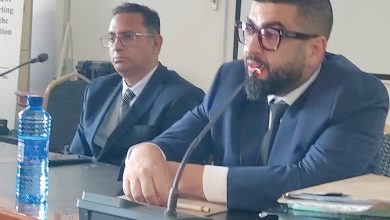
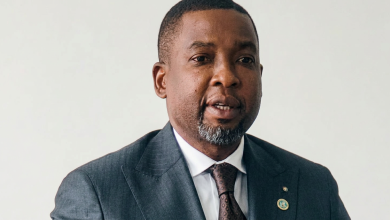
But accountability expert Willy Kambwandira said the trend points to a deeper governance problem, highlighting weak expenditure controls, opaque procurement systems and an entrenched culture of presidential excess that survives every transition.
Human Rights Defenders Coalition chairperson Michael Kaiyatsa suggested that Parliament should set strict spending limits and require any adjustments to be backed by detailed evidence, not political statements.
Minister of Finance, Economic Planning and Decentralisation Joseph Mwanamvekha was yet to respond to The Nation questionnaire by press time.
However, in his Mid-Year Budget Review Statement tabled in Parliament on November 21 he highlighted over-expenditure on various votes, including State Residences.